
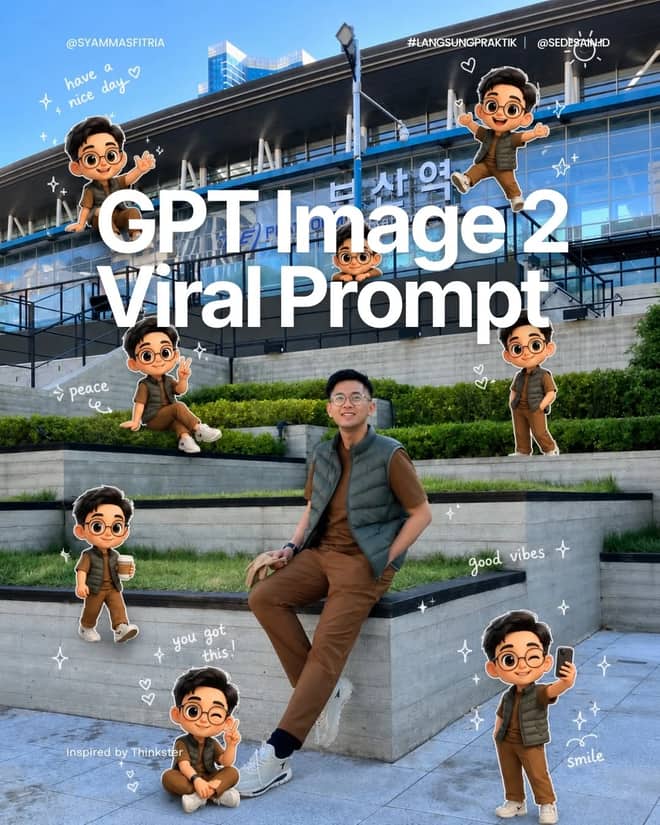
Pixar Chibi Scrapbook Collage – Gemini AI Photo Prompt
Turn one photo into a Pixar chibi scrapbook collage — 3D chibi poses with doodles and stickers. A copy-paste Gemini AI photo prompt for Nano Banana and ChatGPT.
11
AI prompt library
Free gemini photo prompts you can copy in one tap. Paste, add your own photo, and create something worth sharing.
60 prompts
Turn one photo into a Pixar chibi scrapbook collage — 3D chibi poses with doodles and stickers. A copy-paste Gemini AI photo prompt for Nano Banana and ChatGPT.
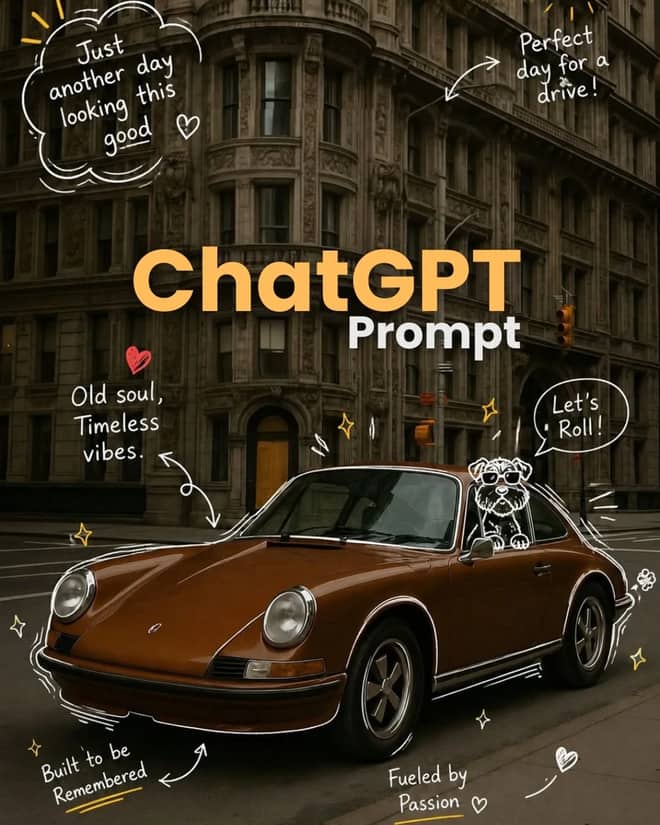
Add playful doodles, motion lines, and captions that react to your subject. A free Gemini AI photo prompt — copy, paste your photo, and run it in Nano Banana or ChatGPT.
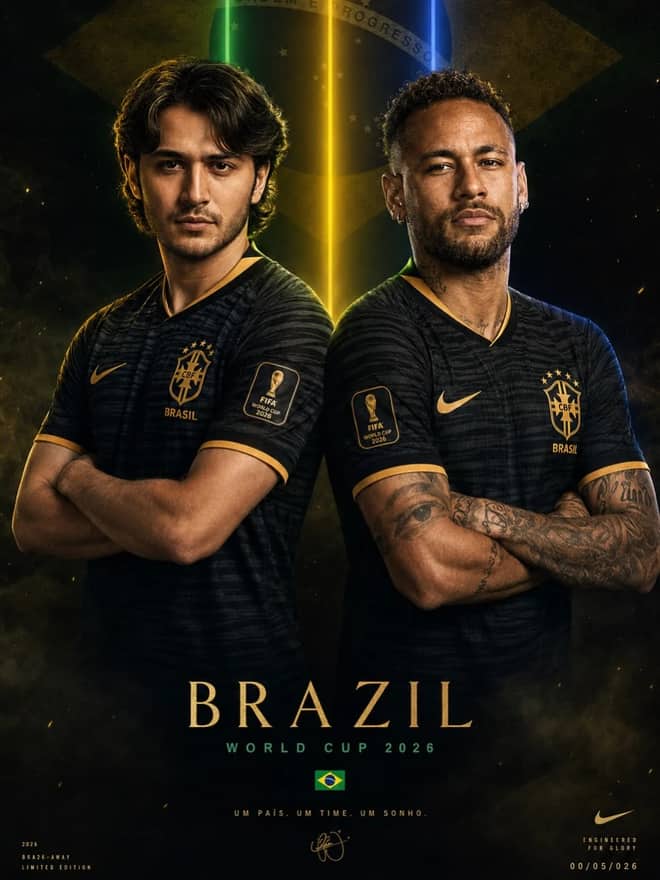
Make a cinematic World Cup poster — two players back-to-back, neon flags, smoky stadium haze. A copy-paste Gemini AI photo prompt for Nano Banana and ChatGPT.
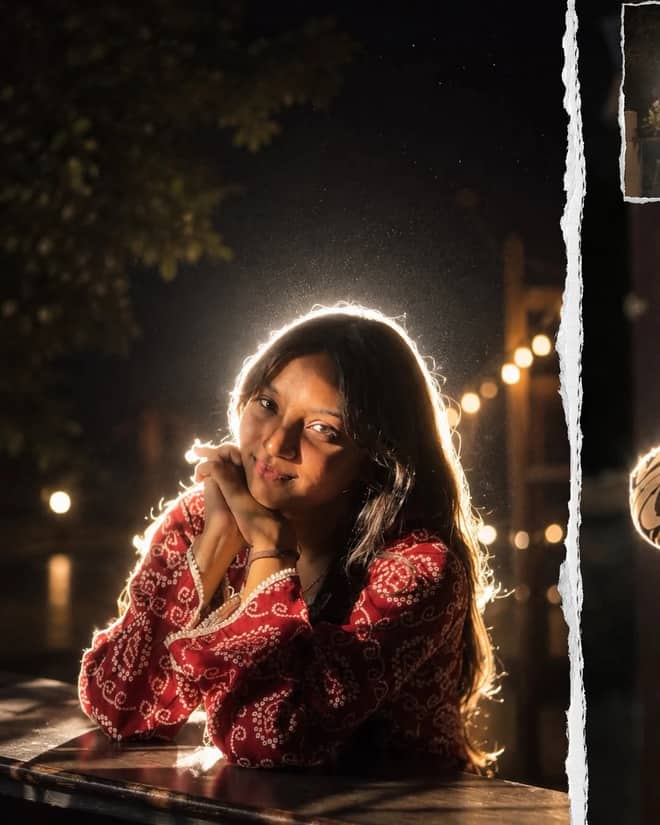
Get the viral night-flash look: a glowing rim-light halo, lens flare, and grainy candid mood. A free Gemini AI photo prompt to copy, paste, and run in Nano Banana.
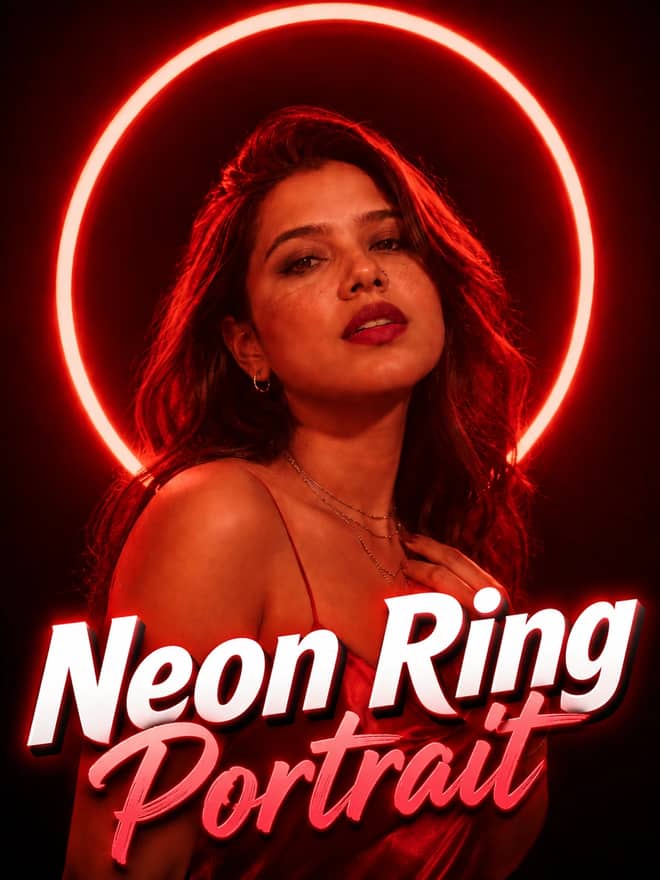
Neon ring portrait prompt — copy this free AI photo prompt on Free Prompt Base and edit it in Gemini & ChatGPT. Paste your photo and create in seconds.
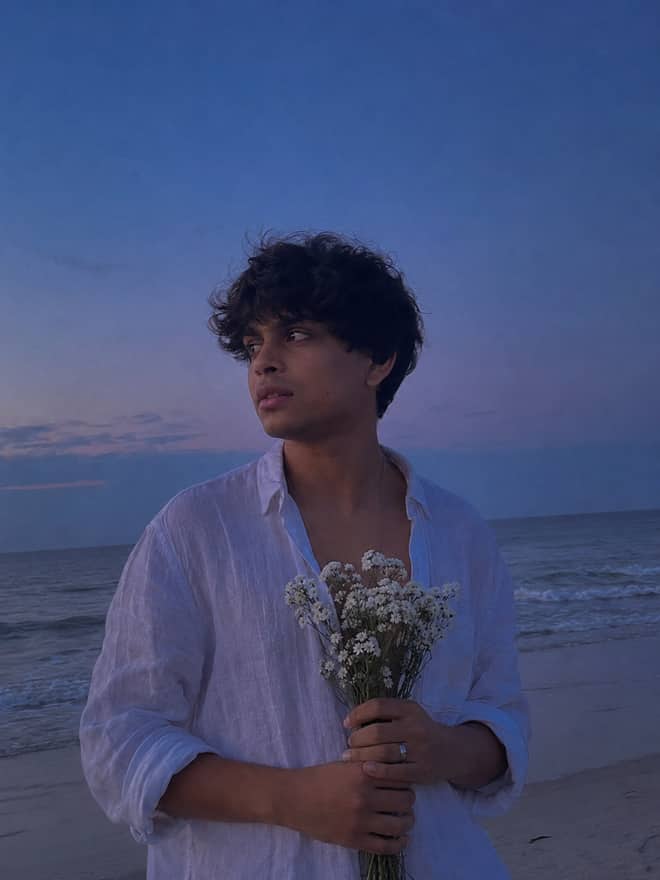
Turn your photo into a man in a white linen shirt holding flowers on a dusk beach. A free Gemini AI photo prompt — copy, paste, and edit in Nano Banana.
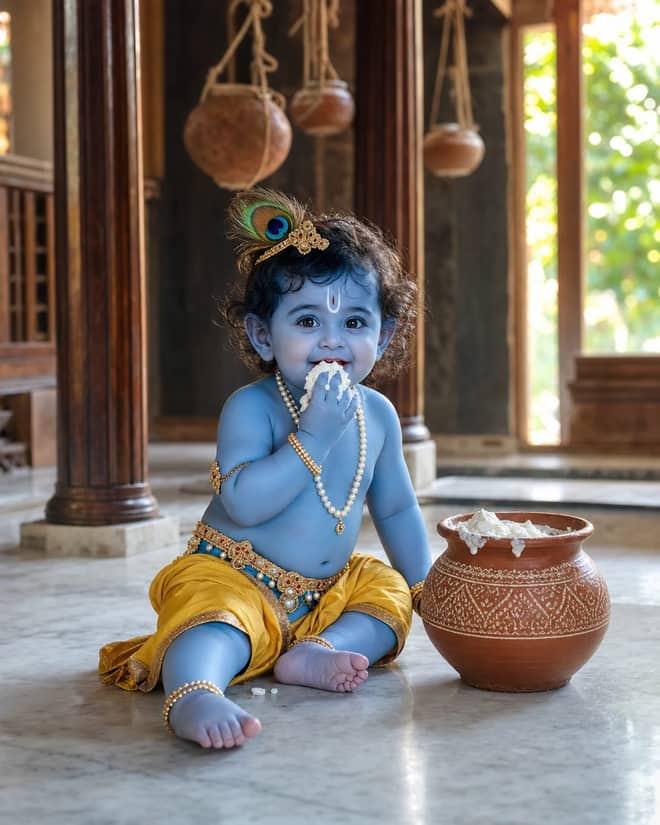
Create a photorealistic Baby Krishna butter-pot portrait in a sunlit Vrindavan home, with a yellow dhoti, peacock feather, marble floor, and natural DSLR detail.
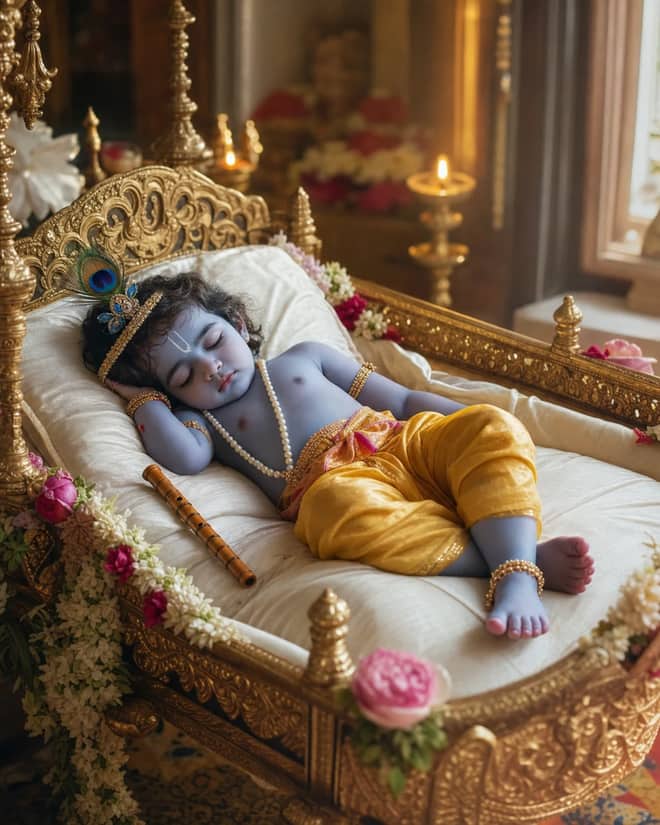
Create a peaceful sleeping Baby Krishna portrait in a flower-trimmed golden cradle, with warm temple lamps, silk cushions, and soft cinematic light.
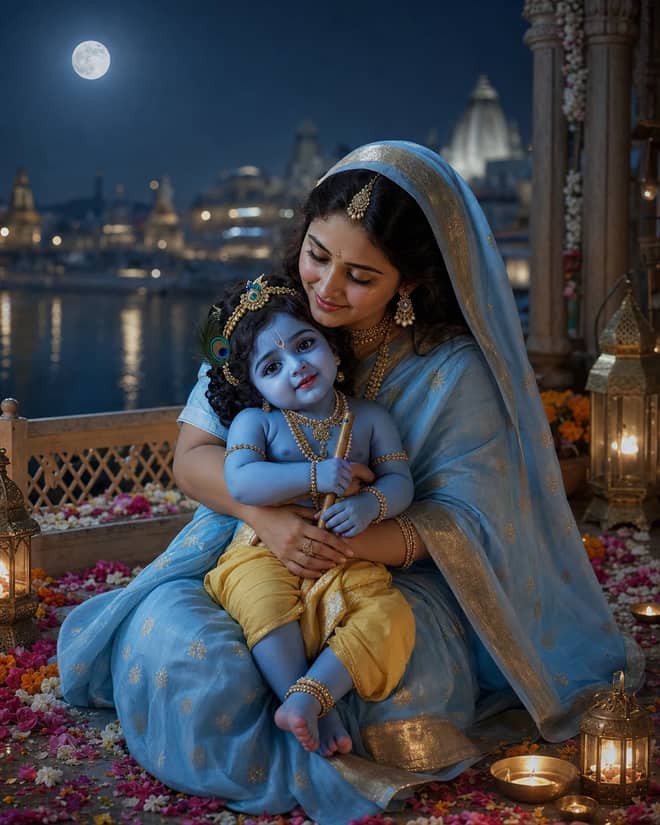
Create a moonlit Maa Yashoda and Baby Krishna portrait on a Vrindavan balcony, with blue silk, warm lamps, the Yamuna, and natural editorial detail.
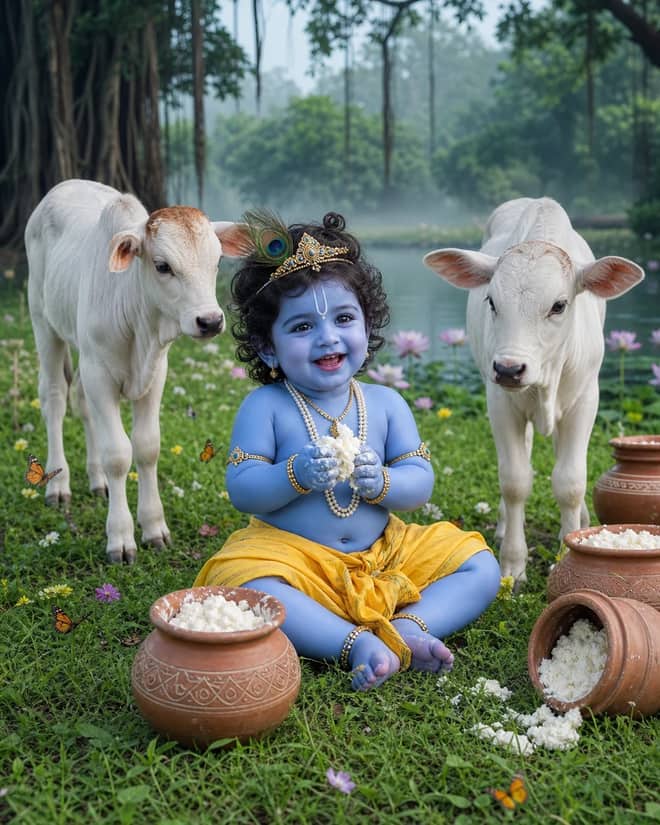
Create a playful Baby Krishna with cow portrait in a misty Vrindavan meadow, with butter pots, white calves, lotus water, and cool natural light.
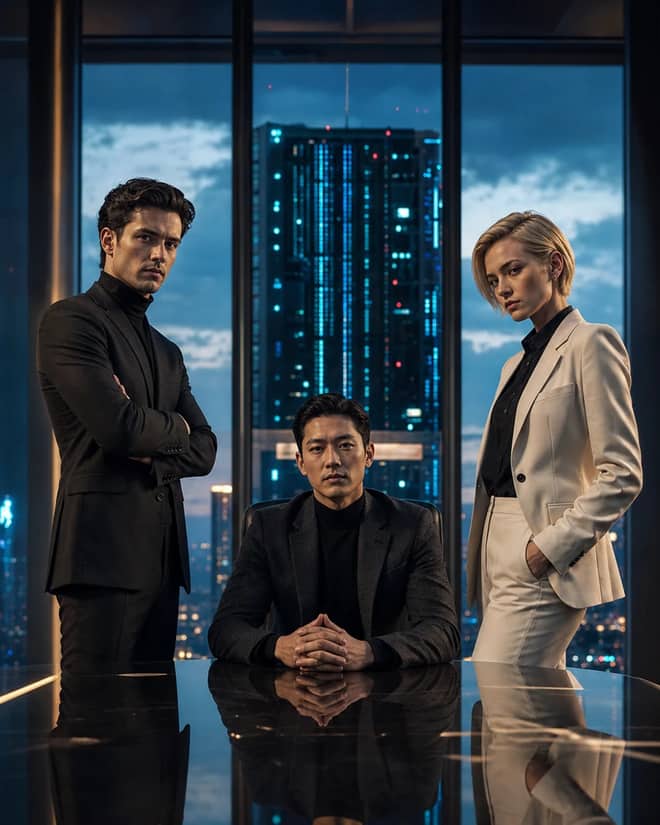
Create a fictional AI rivalry portrait with three executives, dramatic boardroom lighting, clear power dynamics, and premium editorial realism.
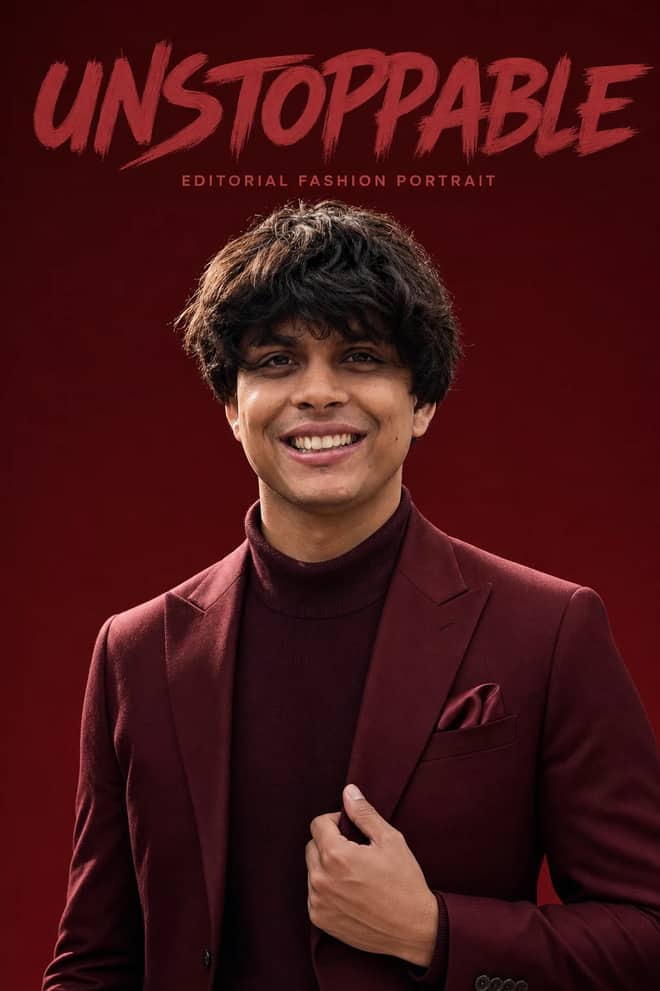
Create an ultra-realistic monochromatic fashion portrait with luxury campaign lighting, natural skin texture, bold brush typography, and clean negative space.
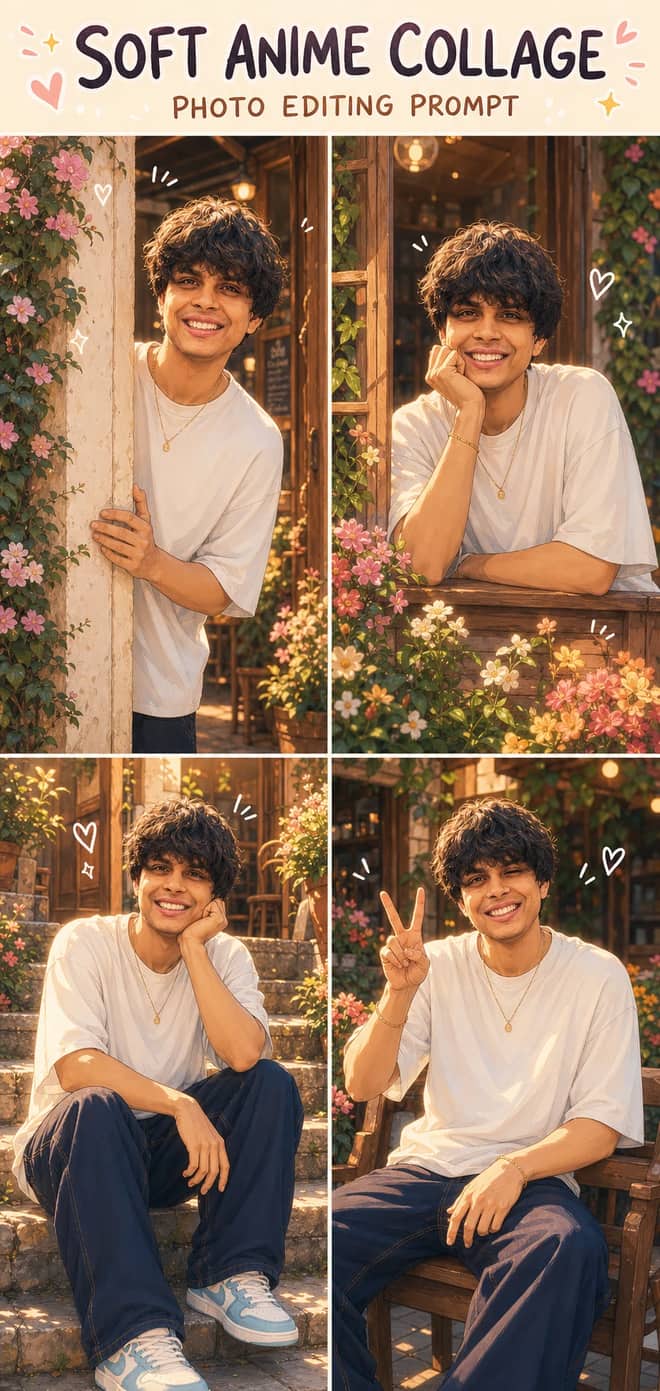
Turn one photo into a dreamy four-panel anime collage with consistent identity, café courtyard poses, golden-hour lighting, floral details, and cute doodles.
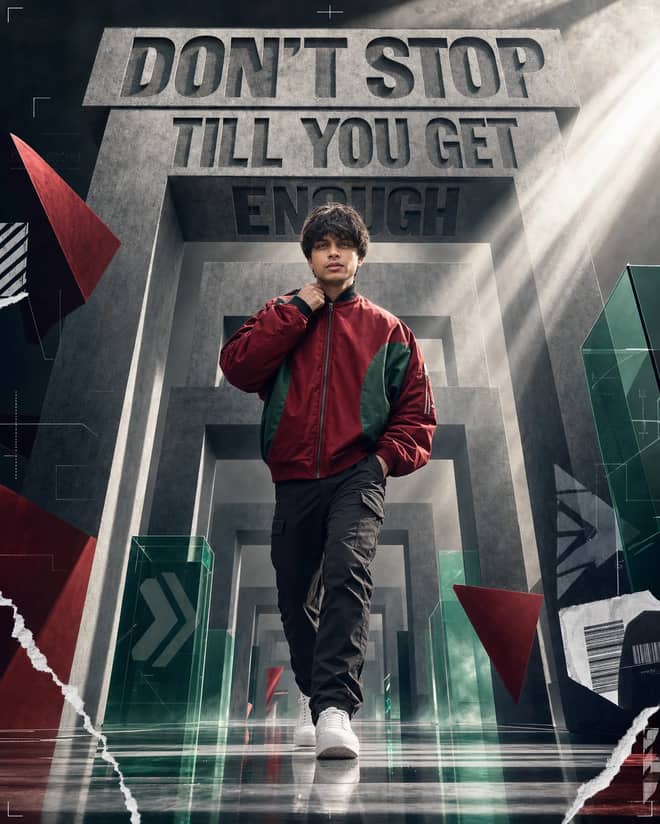
Create a premium sports-fashion poster with a confident model, monumental concrete portals, dramatic typography, low-angle perspective, and cinematic light.
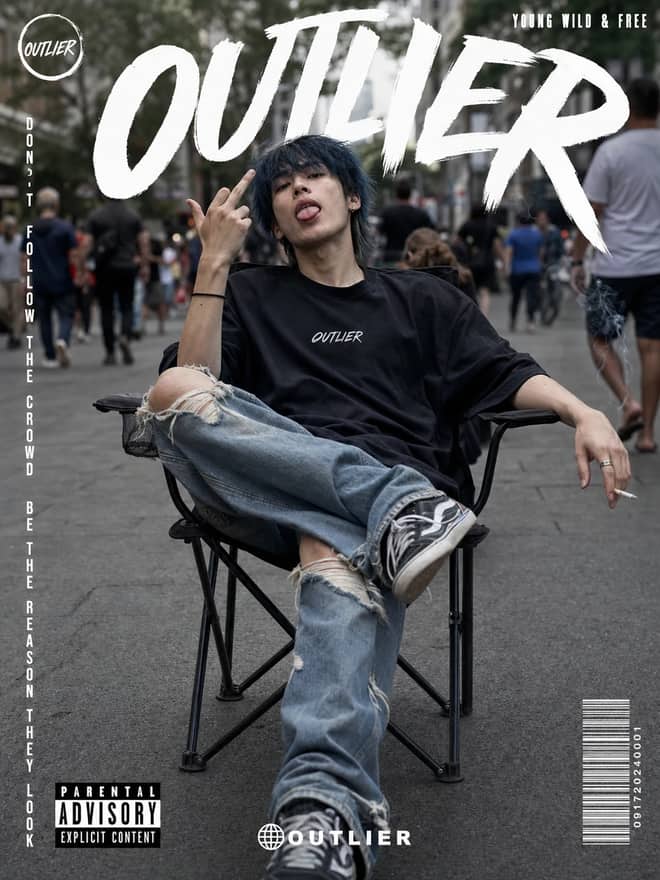
Create a gritty photorealistic streetwear poster with a seated model, blurred city pedestrians, natural skin texture, bold branding, and editorial labels.
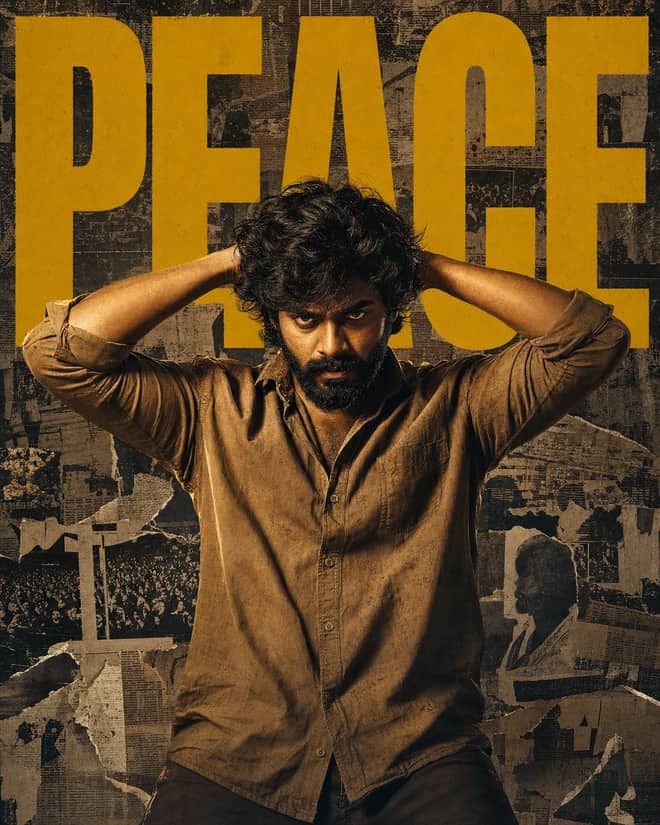
Create a gritty South Indian action poster with a rugged hero, bold PEACE typography, warm tungsten lighting, and a distressed vintage newspaper collage.
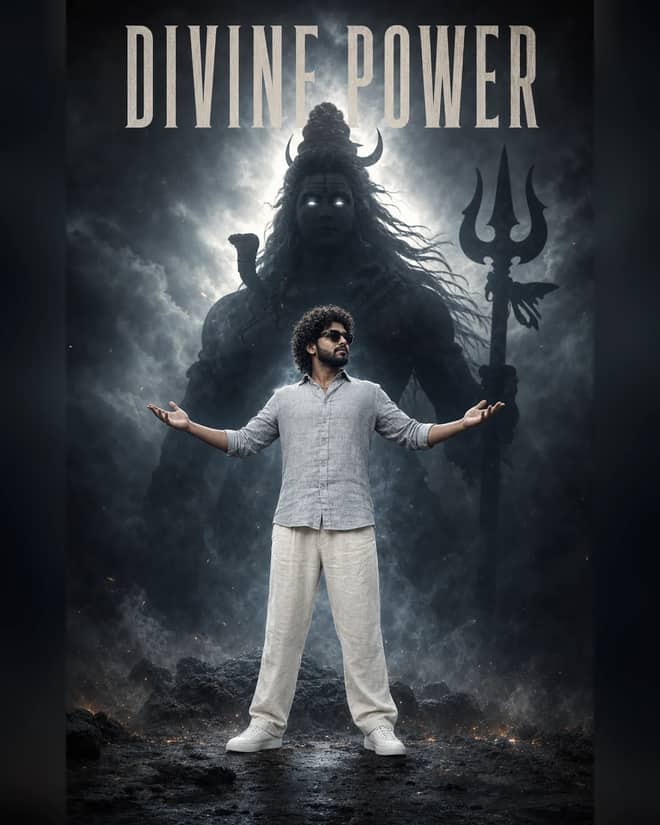
Create a powerful cinematic portrait with a confident man before a colossal smoky Lord Shiva silhouette, dramatic halo lighting, fog, and epic depth.
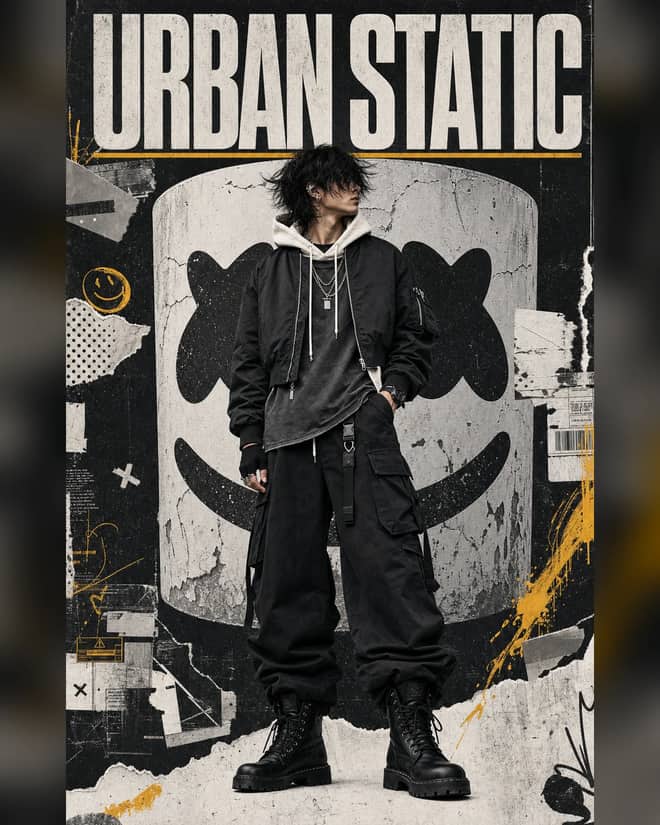
Create a luxury streetwear editorial with oversized black layers, a distressed helmet collage, controlled grunge textures, and muted yellow accents.
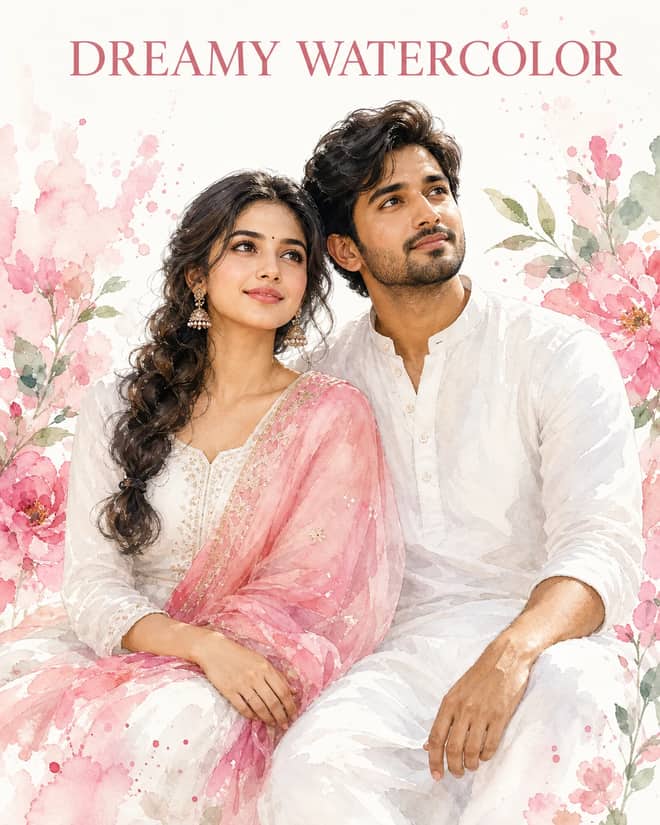
Create a dreamy watercolor portrait of an Indian couple in white attire with a pink dupatta, soft floral splashes, green leaves, and glowing skin.
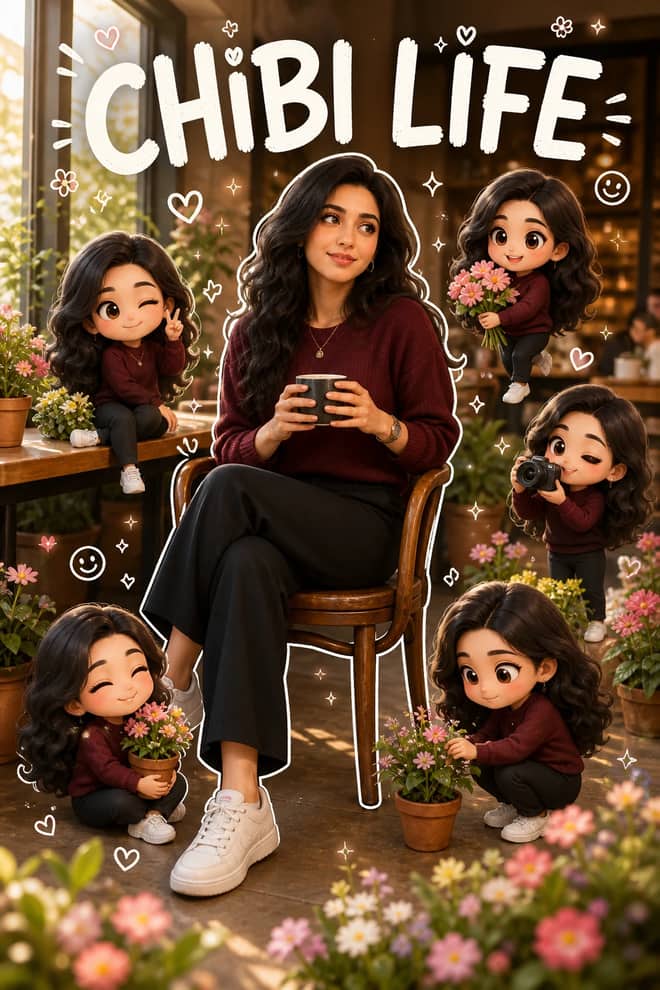
Transform a portrait into a hyper-real scene surrounded by matching 3D chibi miniatures, white outlines, playful doodles, flowers, and LIFE accents.
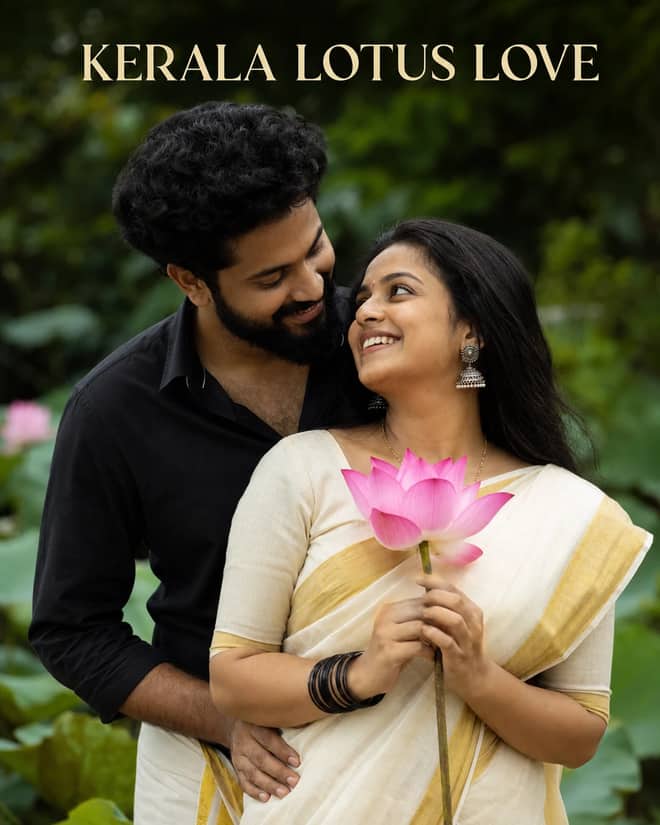
Create a warm romantic Kerala couple portrait with a gold-bordered saree, black shirt and mundu, pink lotus, jhumkas, and lush garden bokeh.
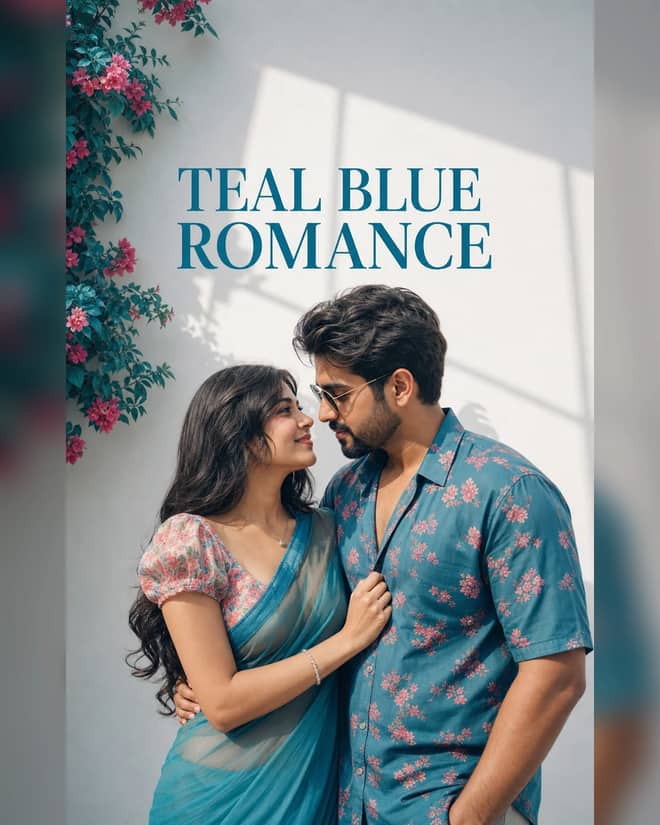
Create an ultra-realistic teal-blue couple portrait with floral outfits, a white wall, pink flowers, window-shaped sunlight, and cinematic color.
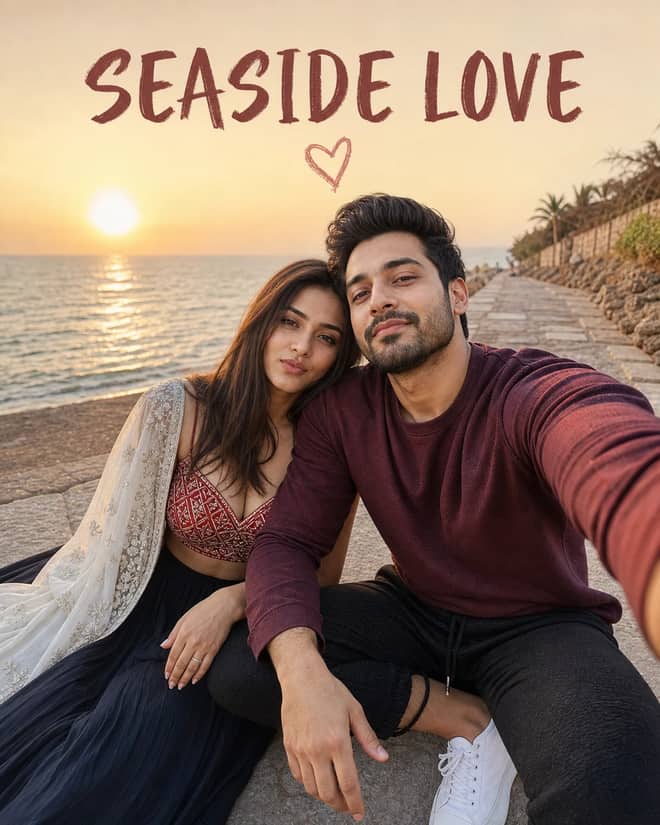
Create a cinematic golden-hour couple selfie by the sea with a red patterned lehenga, white dupatta, maroon sweatshirt, joggers, and heart doodle.
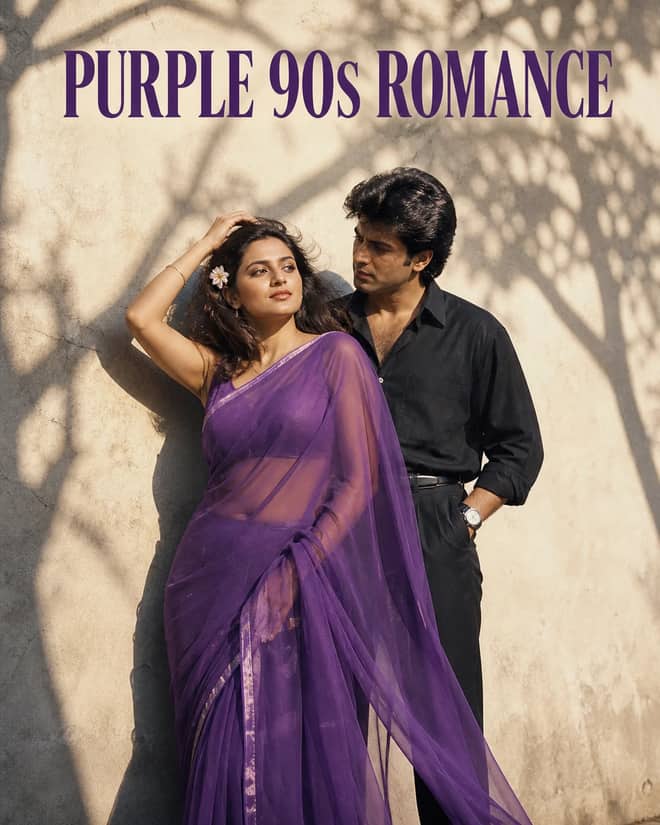
Create a grainy yet bright 1990s-style couple portrait with a purple chiffon saree, windblown hair, a tucked flower, black styling, and tree shadows.
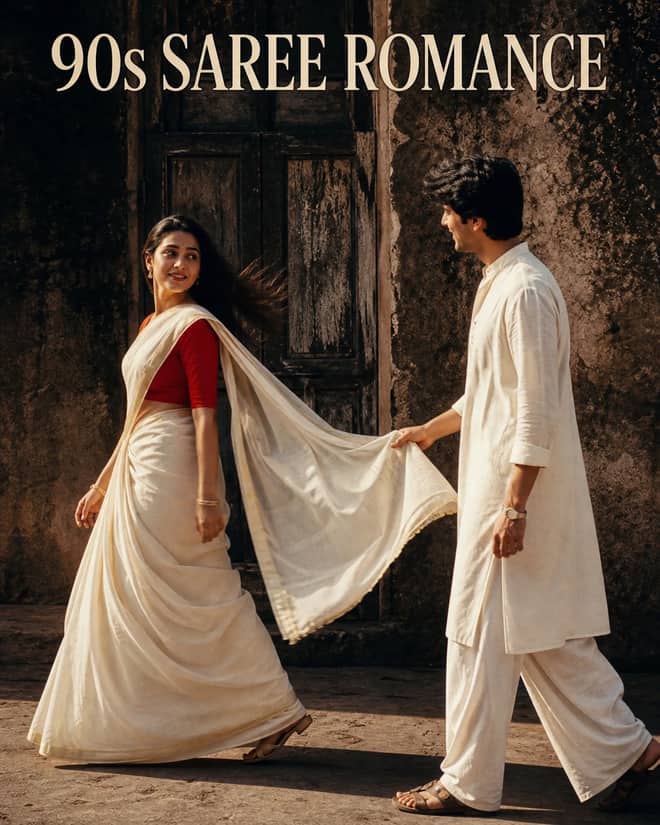
Create a cinematic 1990s-style couple portrait with an off-white saree, red blouse, white kurta, old wooden doorway, dramatic shadows, and pallu pose.
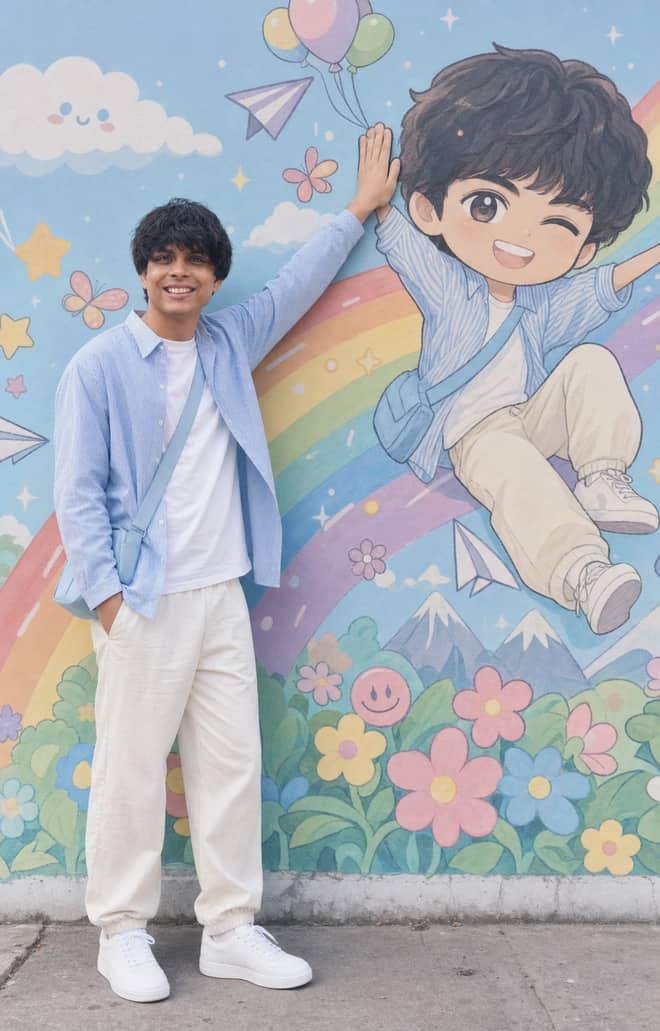
Recreate a colorful outdoor fashion portrait with exact face identity, a locked full-body pose, and a matching anime chibi mural.
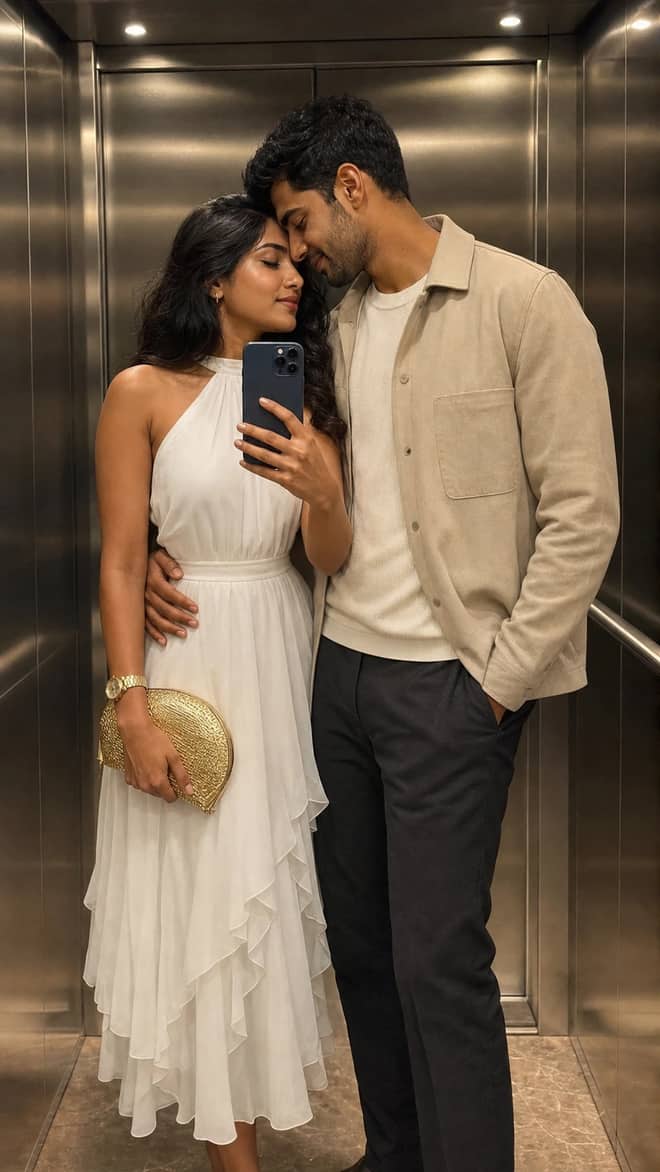
Create a luxury elevator couple mirror selfie while preserving both uploaded facial identities, natural expressions, skin texture, and authentic details.
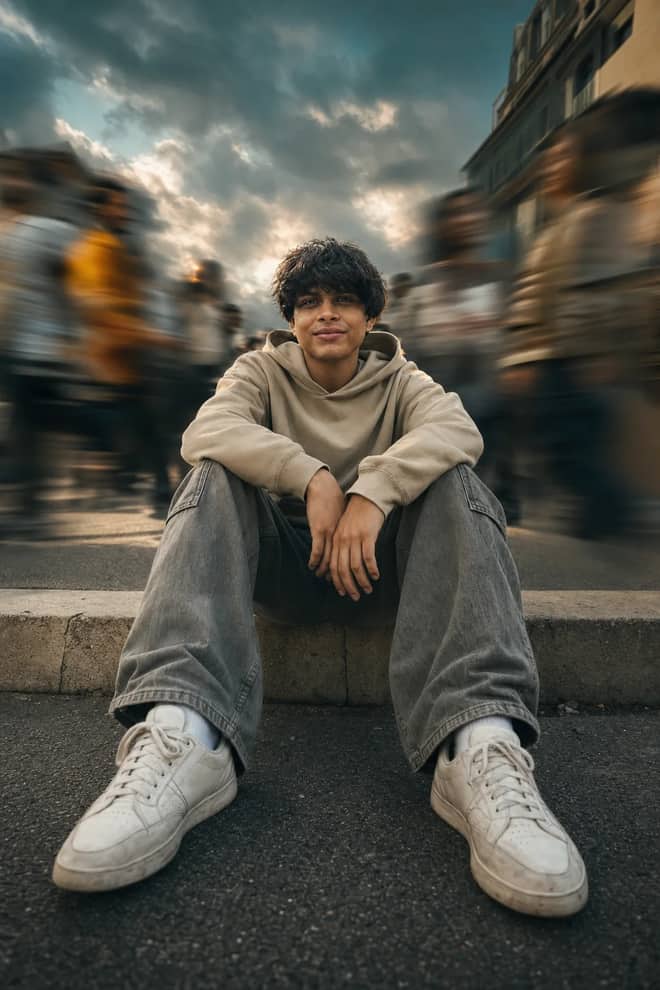
Create a low-angle urban portrait with a sharp seated subject, radial crowd motion blur, golden-hour light, and cinematic orange-and-teal grading.
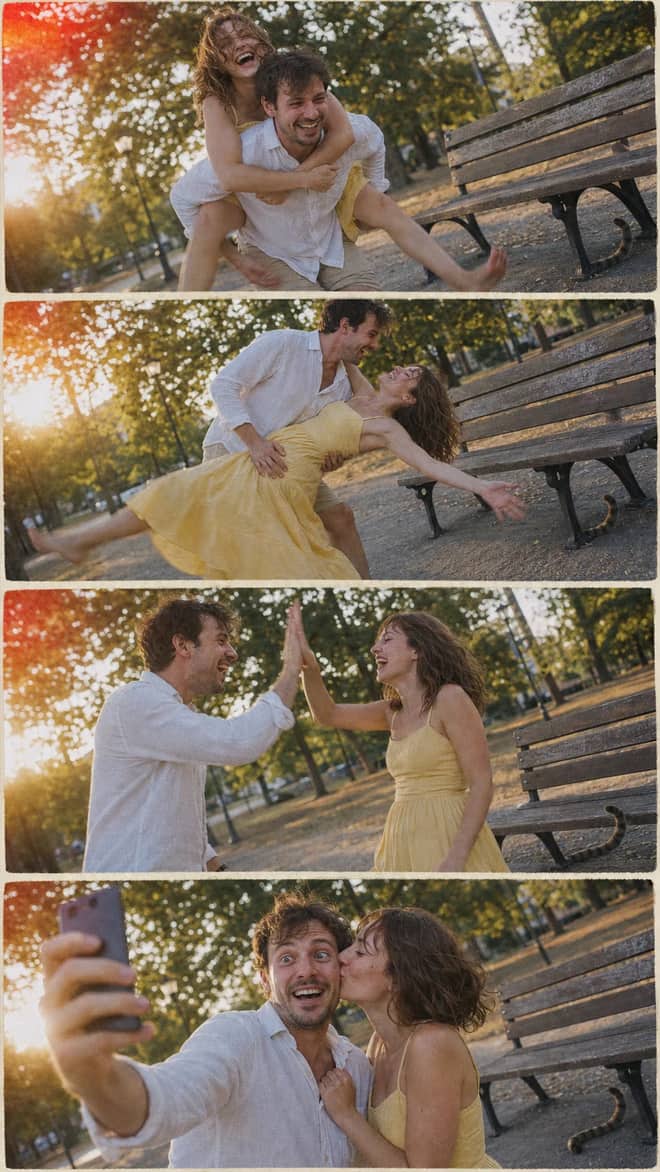
Create a nostalgic four-panel couple photo collage with playful candid moments, golden-hour park light, motion blur, grain, and a 2005 digital-camera look.
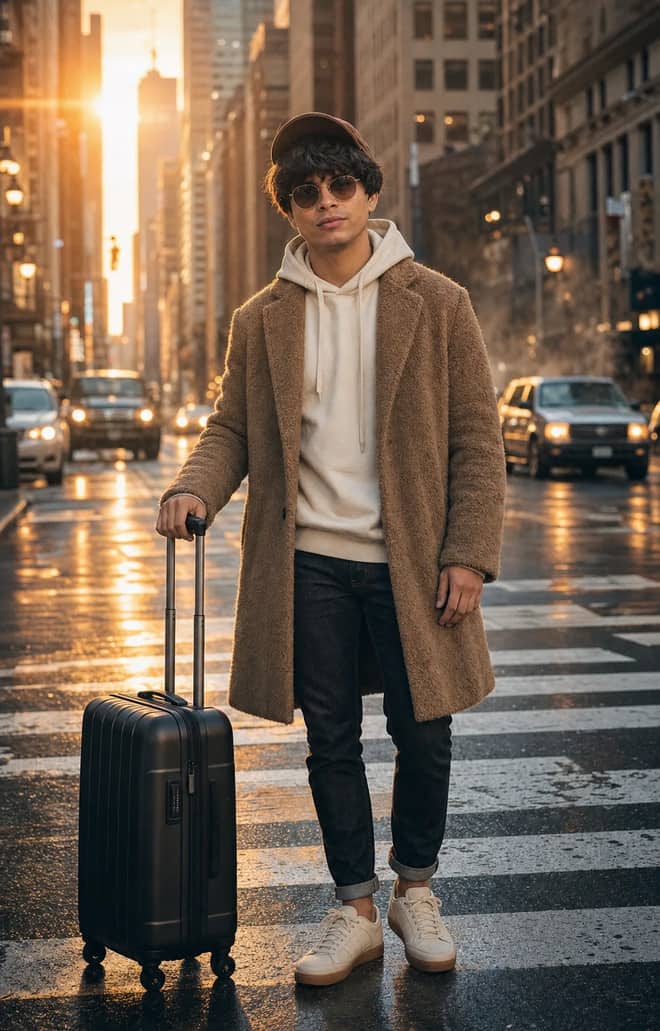
Create an ultra-realistic full-body traveler portrait in a downtown crosswalk with warm sunrise rim light, reflective asphalt, an 85mm look, and cinematic color.
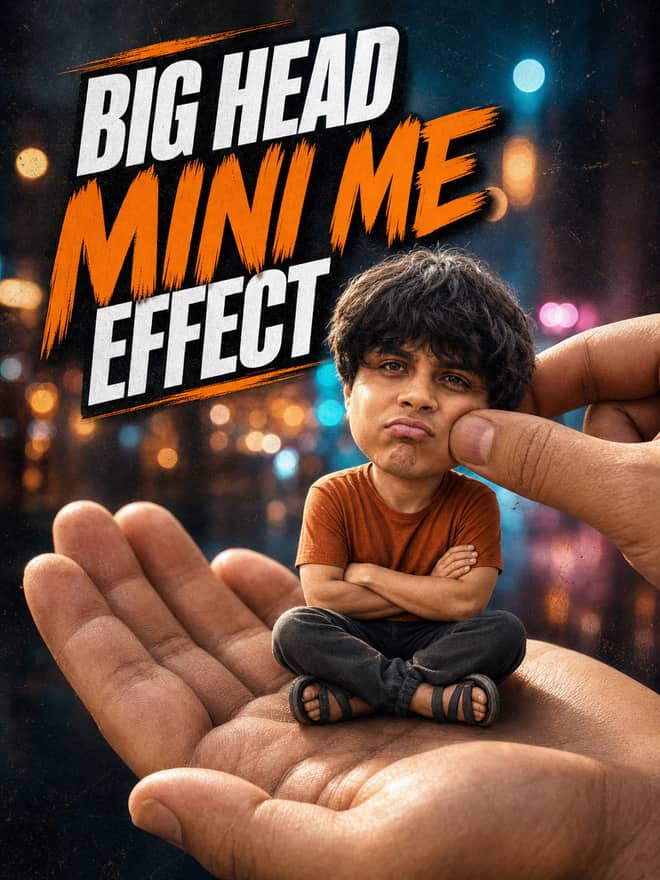
Turn any portrait into a cute big-head miniature seated in a giant hand, with a playful cheek pinch, cinematic night bokeh, and crisp 3:4 framing.
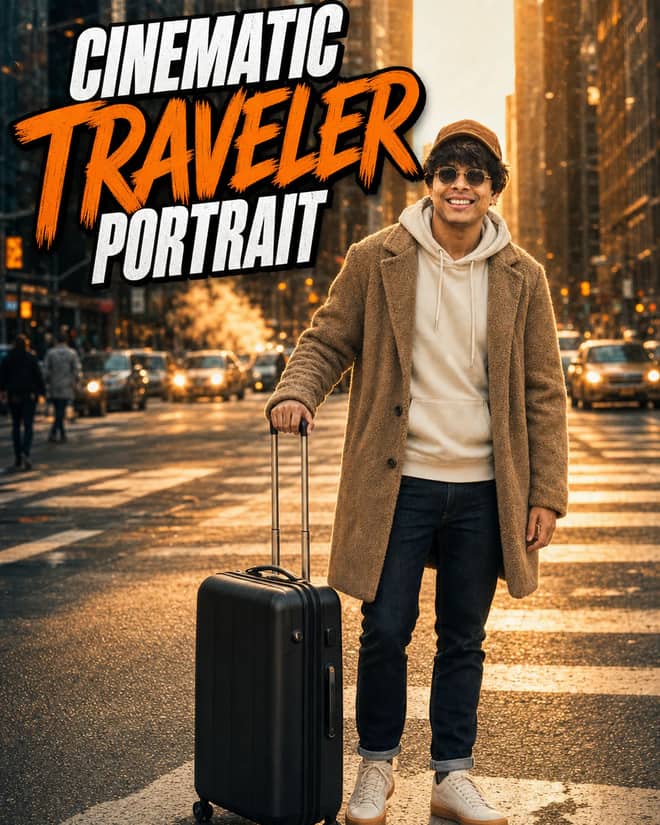
Create an ultra-realistic golden-hour traveler portrait with preserved facial identity, a teddy-fleece coat, reflective city streets, and an 85 mm cinematic look.
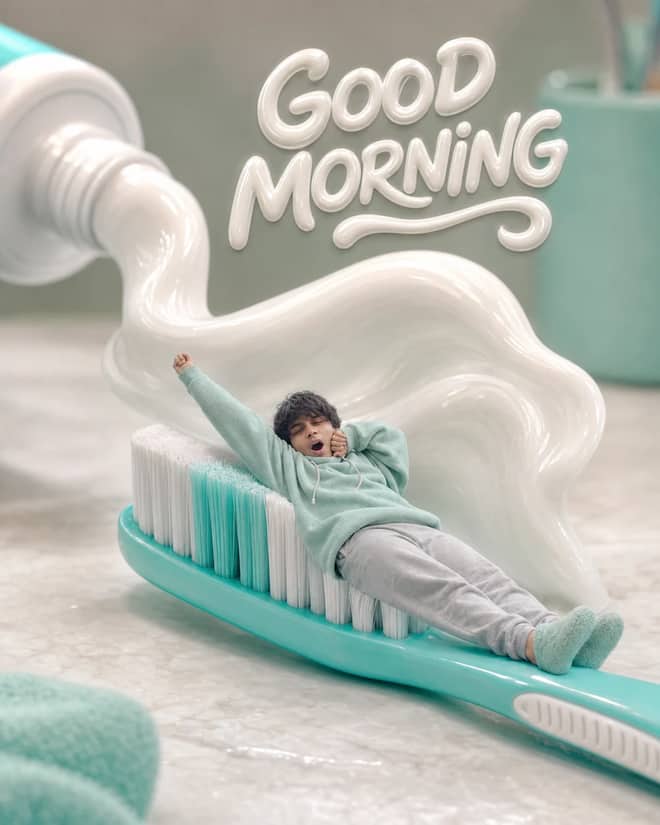
Turn any selfie into a tiny sleepy character lounging on a giant toothbrush, with a foamy toothpaste wave, pastel macro styling, and creamy GOOD MORNING text.
Professional Badge Photo, Ready to Use prompt for writing, editing, translation, and language work. Copy it into ChatGPT, Gemini, Claude, or another AI assistant and tailor it to your task.
Ultra-Detailed Vintage Photo Restoration and Colorization prompt for everyday work and focused problem-solving. Copy it into ChatGPT, Gemini, Claude, or another AI assistant and tailor it to your task.
A prompt that will turn your photo into a scene from a cult 90s movie prompt for everyday work and focused problem-solving. Copy it into ChatGPT, Gemini, Claude, or another AI assistant and tailor it to your task.
Detailed Image Generation Prompt for Fashion and Portrait Photography prompt for a structured task with clear inputs and outputs. Copy it into ChatGPT, Gemini, Claude, or another AI assistant and tailor it to your task.
High-End Beauty Editorial Photo Shoot Specification prompt for a structured task with clear inputs and outputs. Copy it into ChatGPT, Gemini, Claude, or another AI assistant and tailor it to your task.
Surreal CGI-Photography Hybrid Portrait prompt for a structured task with clear inputs and outputs. Copy it into ChatGPT, Gemini, Claude, or another AI assistant and tailor it to your task.
Hyperrealistic Food Photo Creator prompt for everyday work and focused problem-solving. Copy it into ChatGPT, Gemini, Claude, or another AI assistant and tailor it to your task.
Enhance and Beautify Your Photo prompt for writing, editing, translation, and language work. Copy it into ChatGPT, Gemini, Claude, or another AI assistant and tailor it to your task.
Modern Fashion Photography prompt for everyday work and focused problem-solving. Copy it into ChatGPT, Gemini, Claude, or another AI assistant and tailor it to your task.
Mirror Product Photo prompt for everyday work and focused problem-solving. Copy it into ChatGPT, Gemini, Claude, or another AI assistant and tailor it to your task.
Photo-to-Isometric: Reality Slice Generator prompt for everyday work and focused problem-solving. Copy it into ChatGPT, Gemini, Claude, or another AI assistant and tailor it to your task.
Photorealistic Selfie Portrait Description prompt for a structured task with clear inputs and outputs. Copy it into ChatGPT, Gemini, Claude, or another AI assistant and tailor it to your task.
3x3 Grid Storyboarding from Photo prompt for creative ideas, stories, and role-play. Copy it into ChatGPT, Gemini, Claude, or another AI assistant and tailor it to your task.
Extreme Close-up Macro Photography of a Young Woman's Face prompt for everyday work and focused problem-solving. Copy it into ChatGPT, Gemini, Claude, or another AI assistant and tailor it to your task.
Photorealistic Mirror Selfie Analysis prompt for data analysis, research, and clear findings. Copy it into ChatGPT, Gemini, Claude, or another AI assistant and tailor it to your task.
Ultra-Realistic Street Photo Prompt: Turkish Woman in Ankara prompt for marketing, customer work, and business decisions. Copy it into ChatGPT, Gemini, Claude, or another AI assistant and tailor it to your task.
Ultra-Realistic Amateur Street Photo of Ankara Scene prompt for everyday work and focused problem-solving. Copy it into ChatGPT, Gemini, Claude, or another AI assistant and tailor it to your task.
Ultra-Realistic Ankara Street Photo with Surreal Element prompt for lessons, practice, and study support. Copy it into ChatGPT, Gemini, Claude, or another AI assistant and tailor it to your task.
Realistic Photo of a Turkish Woman in a Street Setting prompt for lessons, practice, and study support. Copy it into ChatGPT, Gemini, Claude, or another AI assistant and tailor it to your task.
Ultra Realistic Candid Photo of a Turkish Woman in Istanbul Café prompt for everyday work and focused problem-solving. Copy it into ChatGPT, Gemini, Claude, or another AI assistant and tailor it to your task.
Fashion Photo Pose & Setting Transformation Editor prompt for writing, editing, translation, and language work. Copy it into ChatGPT, Gemini, Claude, or another AI assistant and tailor it to your task.
Nostalgic Road Trip - Atmospheric 35mm Film Photograph Prompt prompt for a structured task with clear inputs and outputs. Copy it into ChatGPT, Gemini, Claude, or another AI assistant and tailor it to your task.
Candid Outdoor Group Photo in Natural Pool prompt for a structured task with clear inputs and outputs. Copy it into ChatGPT, Gemini, Claude, or another AI assistant and tailor it to your task.
Serene Yoga & Mindfulness Lifestyle Photography prompt for coding questions, debugging, and technical guidance. Copy it into ChatGPT, Gemini, Claude, or another AI assistant and tailor it to your task.
Ultra-photorealistic Infographics prompt for everyday work and focused problem-solving. Copy it into ChatGPT, Gemini, Claude, or another AI assistant and tailor it to your task.
Ultra-Photorealistic Romantic Cinematic Scene in the Rain prompt for everyday work and focused problem-solving. Copy it into ChatGPT, Gemini, Claude, or another AI assistant and tailor it to your task.
Photorealistic Cozy Home Scene with Natural Lighting prompt for everyday work and focused problem-solving. Copy it into ChatGPT, Gemini, Claude, or another AI assistant and tailor it to your task.
No prompts match your search.
The guide
A good Gemini photo prompt is the difference between a flat edit and one that looks like it took a designer an afternoon. Most of the edits you see going around, the warm Instagram sunset portraits, the cinematic close-ups, the tiny figurine versions of someone, all come from text fed into Google's Gemini image model. The model behind these is Gemini 2.5 Flash Image, which a lot of people online just call nano banana. You do not need to know any of that to use it. You need the right wording and a clean photo. The grid above gives you the wording; this part explains how to actually get it to behave.
Two things, and they are different jobs. You can hand Gemini a photo and ask it to change something, which is editing. Or you can give it only words and ask it to build an image from nothing, which is generation. The same model does both, but the prompt you write for each is not the same. For an edit you describe what to keep and what to change. For a fresh image you have to describe everything, because the model has no photo to lean on. People who get frustrated usually wrote a generation-style prompt while expecting an edit, or the other way round.
If you are new to this and on your phone, the free Gemini app is the easiest place to start. Upload a picture, paste a prompt, send it. Through the API the same edits cost roughly a few cents each, which only matters if you are running hundreds.
Scroll any reels feed and the same handful of styles keep coming back. From what is trending lately, the warm sunset edit is everywhere: someone's normal selfie turned into a golden-hour portrait with soft orange light and a hazy background. Aesthetic edits are the next big group, where the point is a clean colour palette and a calm mood rather than anything dramatic. Then there are the cinematic portraits with hard side light and shallow focus, the retro film looks, and the collectible figurine trend where you become a small statue on a desk.
None of these are secret. The reason one creator's version looks better than yours is usually not a magic prompt. It is that they ran it several times, fixed the lighting in their source photo first, and picked the single best frame out of five. You can do the same.
The wording that works follows a rough shape. Say the subject, the action, the light, the mood, and then any rule you do not want broken. Short and specific beats long and vague every time. A prompt like make this a warm sunset portrait, soft golden light from the left, keep my face exactly the same, blurred background does far more than a paragraph of adjectives.
One habit that helps a lot is naming the light direction and the time of day before anything else. Light is what your eye reads first in a photo, so getting it right does most of the heavy lifting. Front light flattens a face, side light adds shape, and backlight gives you that glowing edge people love in sunset shots. If you only change one word in a prompt and the result feels wrong, change the light word, not the colour word. The same goes for distance: close-up, half body, and full body are three different photos, and Gemini will pick one at random if you never say which.
| Style | The vibe | Wording that gets you there |
|---|---|---|
| Sunset Instagram portrait | warm, glowing, soft | golden hour light, orange sky, gentle haze, blurred background, keep my face the same |
| Aesthetic muted edit | calm, clean palette | soft pastel tones, low contrast, even daylight, minimal background |
| Cinematic portrait | moody, filmic | dramatic side light, shallow depth of field, dark background, film still feel |
| Retro film look | nostalgic, grainy | 1990s film photo, faded colour, soft flash, slight grain |
| Figurine version | fun, collectible | turn this person into a small desk figurine, plastic finish, soft studio light |
This is the choice that trips people up most, so it is worth being clear. If you already have a photo of yourself and you want it to look better or different, you are editing, and your prompt should mostly be instructions plus a protect line for your face. If you want a scene that does not exist, a version of you on a rooftop at night, say, you are generating, and you have to paint the whole picture in words. Mixing the two is fine, but know which one is the main job. When an edit comes back with a face that no longer looks like you, the fix is almost always adding keep my facial features unchanged and running it again.
Tip: change one thing per run. If you adjust the light, the background, and the outfit all at once and the result is off, you have no idea which instruction broke it. One change at a time tells you exactly what the model responds to.
Most bad results trace back to a small number of causes, and each has an easy fix.
Once a prompt works for you, save it. A short notes file of your five best prompts beats hunting for the same wording next week. Treat each one as a template: keep the structure, swap the location, the time of day, or the outfit colour, and you get a fresh look without starting over. The point of the prompts above is that you skip the slow part, which is figuring out the wording, and start from something that already produces the style. Copy one, paste it into Gemini with your photo, run it a few times, and keep the frame that actually looks like you.
Questions
There is no single best one, it depends on the look you want. For most selfies, a warm sunset portrait prompt with a line that says keep my face the same gives a strong, shareable result. Pick the style closest to what you want from the grid above, run it on a clear photo, then tweak one detail at a time until it matches the look.
Yes, the Gemini app lets you try image edits for free on your phone or browser. You upload a photo, paste a prompt, and run it. If you use the API instead, each image costs roughly a few cents, which only matters when you are generating in bulk rather than playing around.
Nano banana is just the nickname people use for Google's Gemini image model, officially Gemini 2.5 Flash Image. It is the part that reads your prompt and edits or creates the picture. When someone says they made an edit with nano banana, they mean they used Gemini's image feature with a text prompt.
Aggressive restyle prompts warp features because the model is rebuilding the image. The fix is to add an explicit line like keep my facial features unchanged, ask for fewer changes at once, and start from a sharp front-facing photo. Run it again and the face usually holds much better.
Describe golden hour light, an orange sky, soft haze, and a blurred background, then add keep my face the same. Use a clear daytime selfie as your source. Run the prompt a few times and pick the warmest frame. Lighting in your original photo affects the result, so a well-lit shot helps a lot.